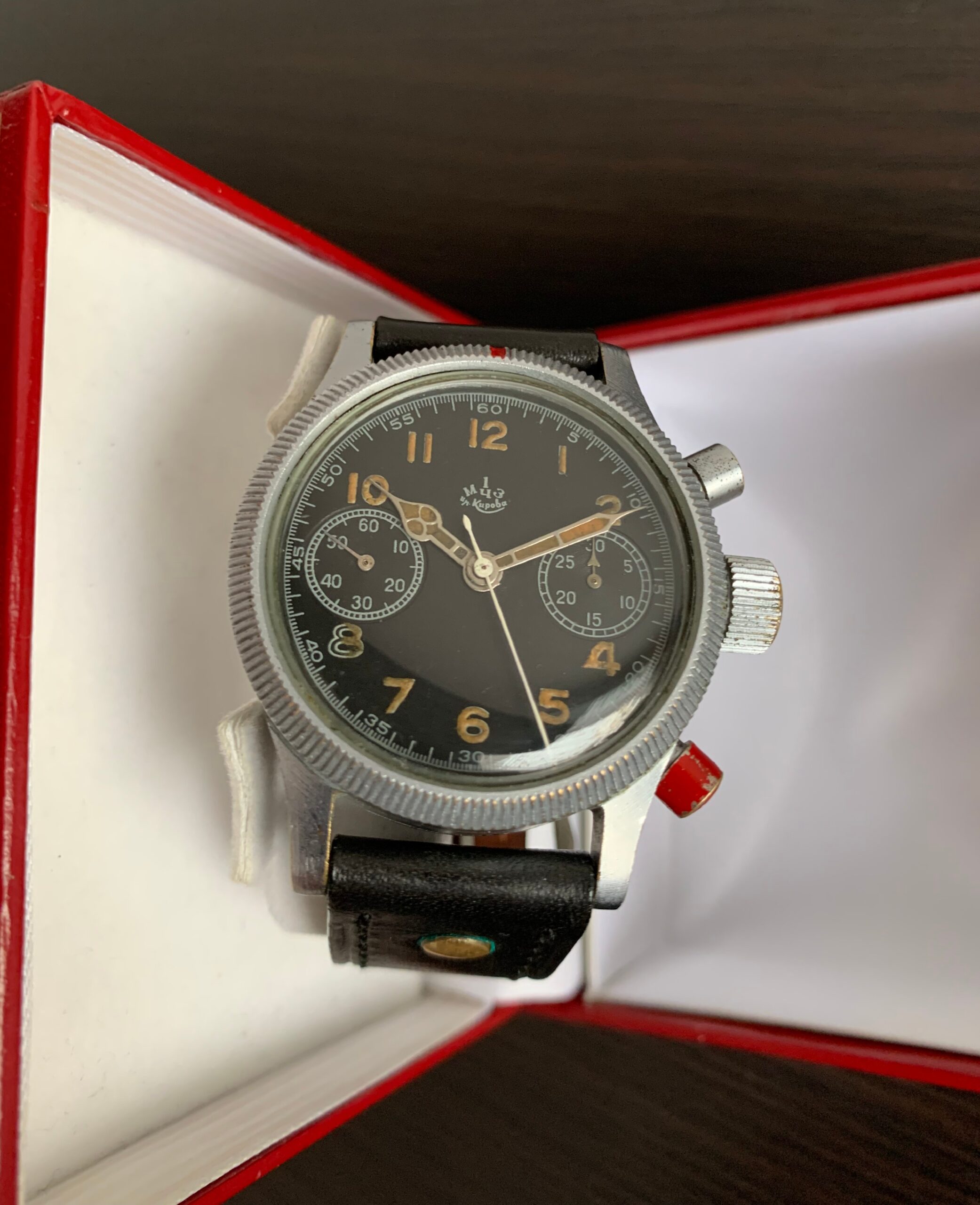
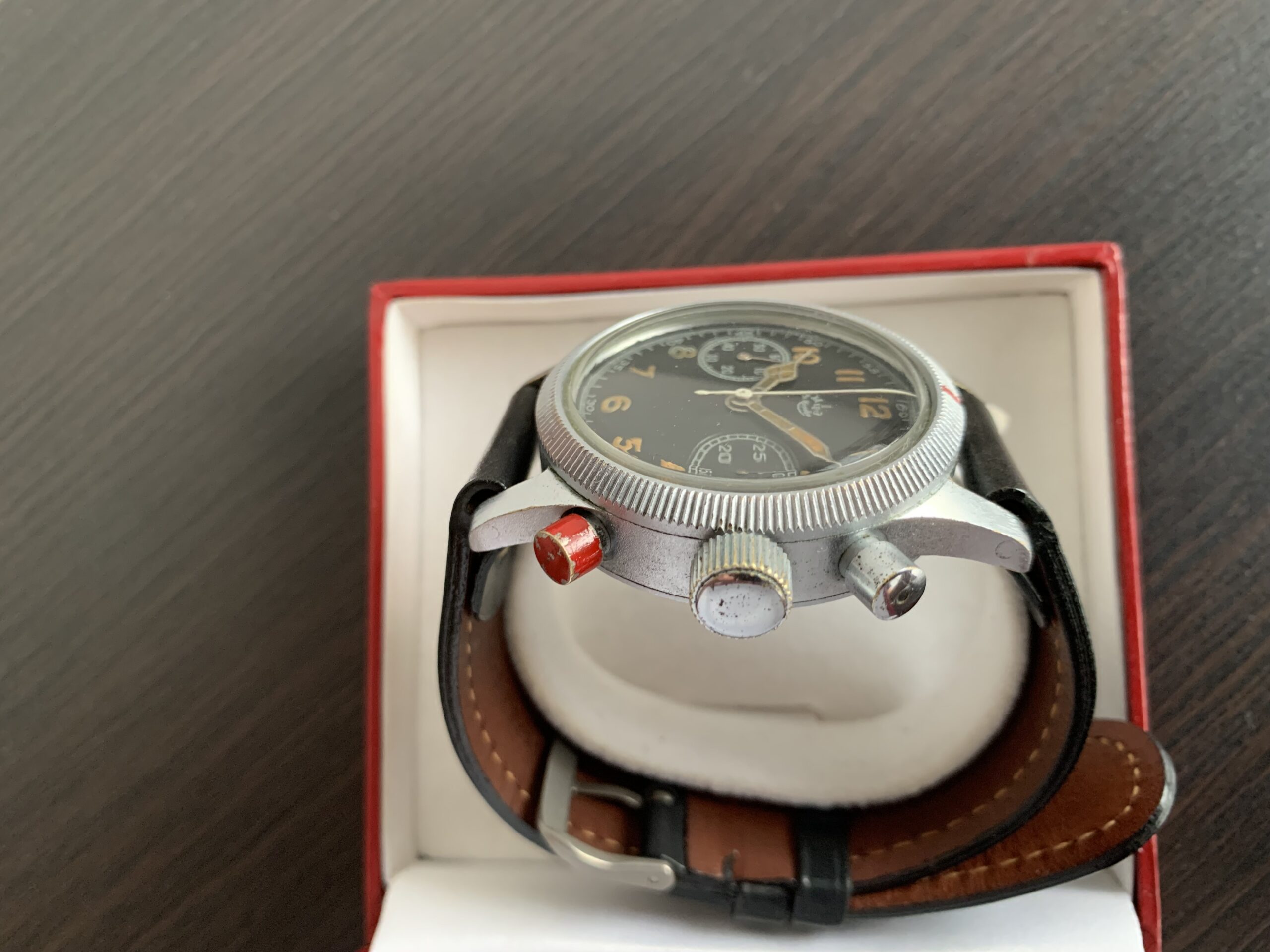
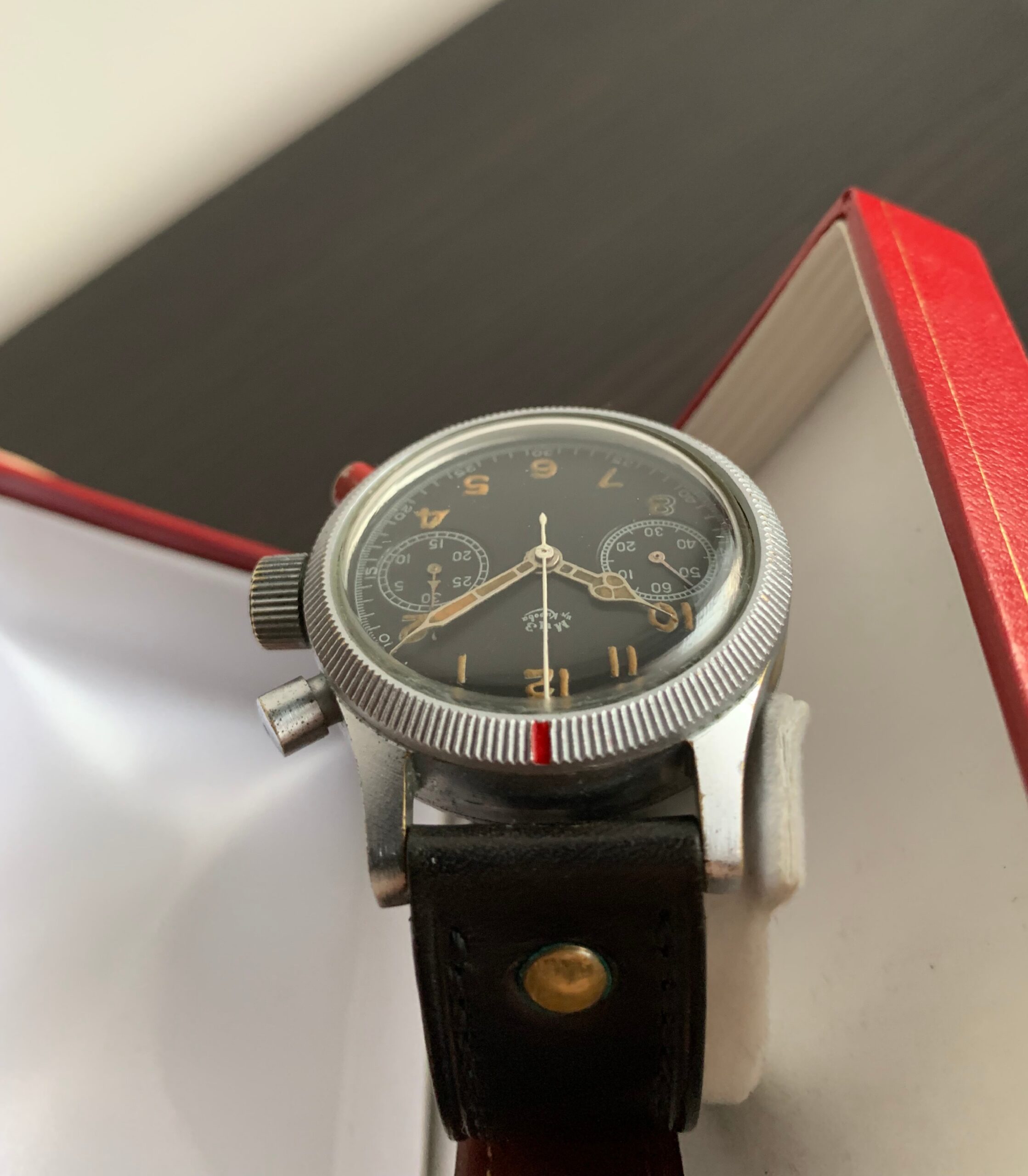
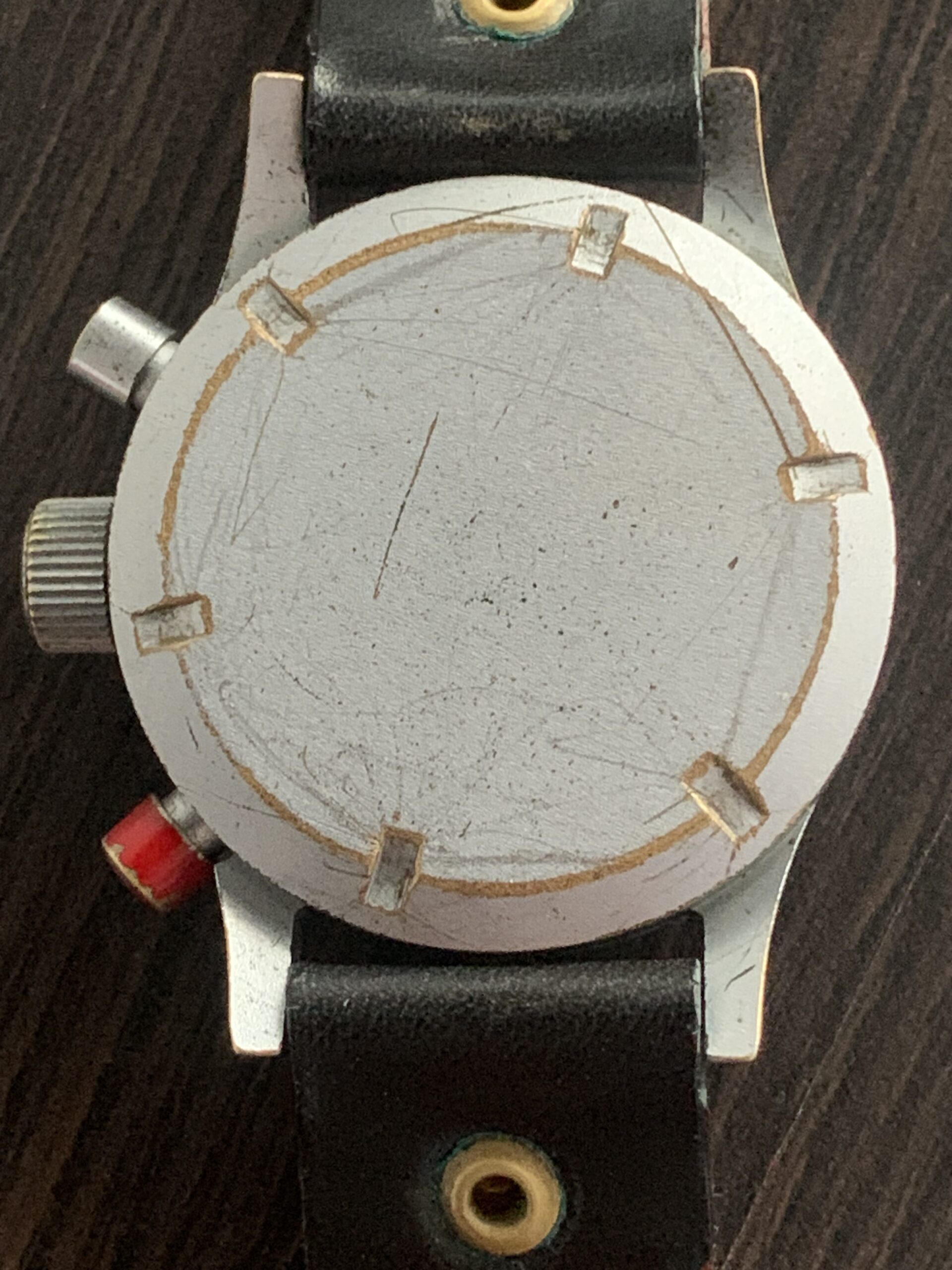
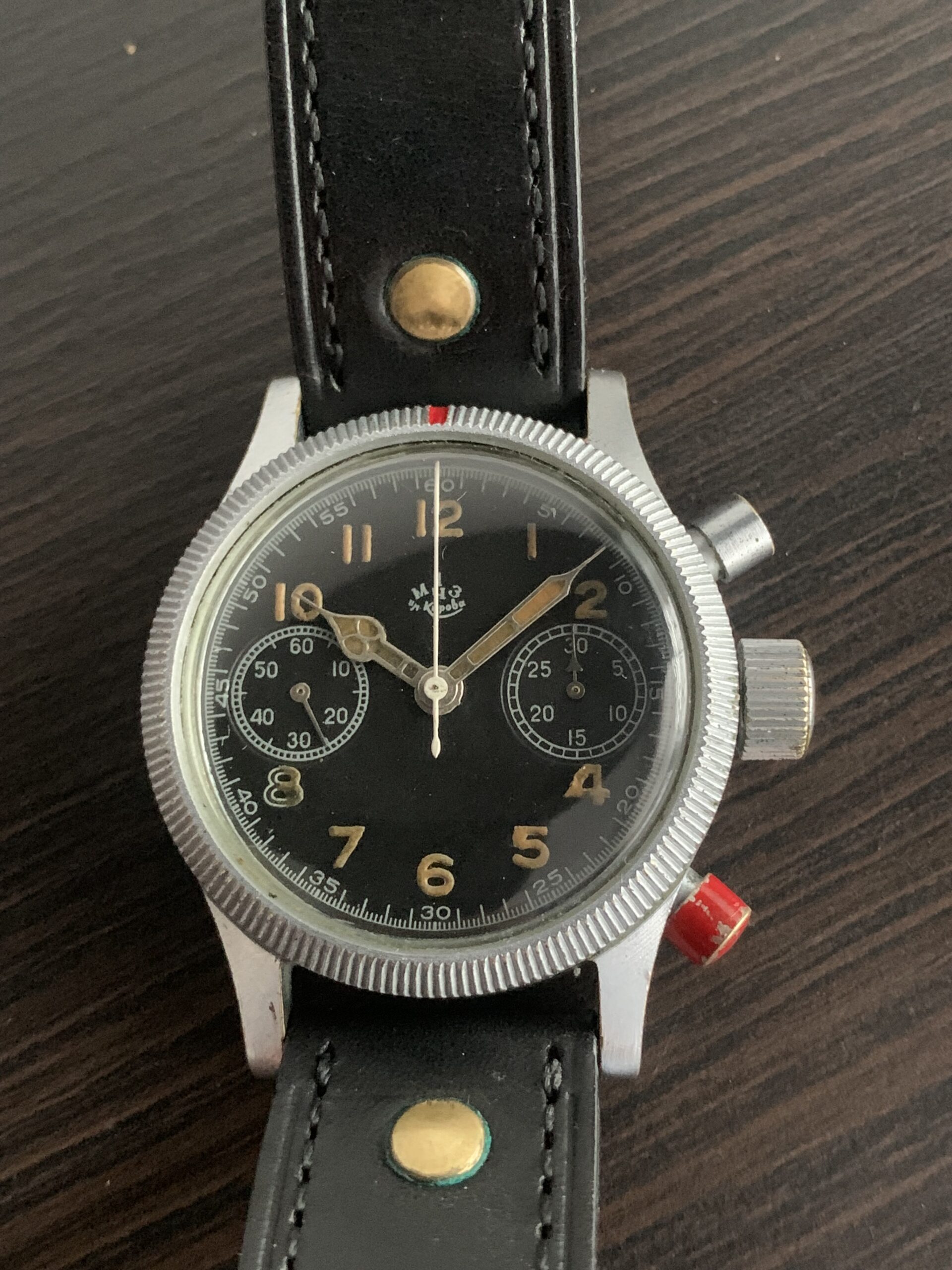
Tutima, based in Glashütte, Saxony, was a key maker of military chronographs during World War II. From 1941 to 1945, the company built precision watches for the Luftwaffe. These used the UROFA-59 movement, a sophisticated chronograph caliber developed in 1938–1939. The watches became iconic for their technical quality and historical importance.
By spring 1945, as Germany neared defeat, production in Glashütte stopped. After the war, Germany was divided into four occupation zones. Saxony fell under Soviet control. In May 1945, the Soviets took over the Glashütte watch factories. They dismantled the UROFA workshops. By August, all machinery and parts were shipped to the Soviet Union. About 20 German watchmakers went to Moscow to help rebuild production at the First Moscow Watch Factory (1MFW). This led directly to the creation of the Tutima Kirova chronograph.
The Tutima Kirova and Soviet Production of UROFA 59 (1947–1951)
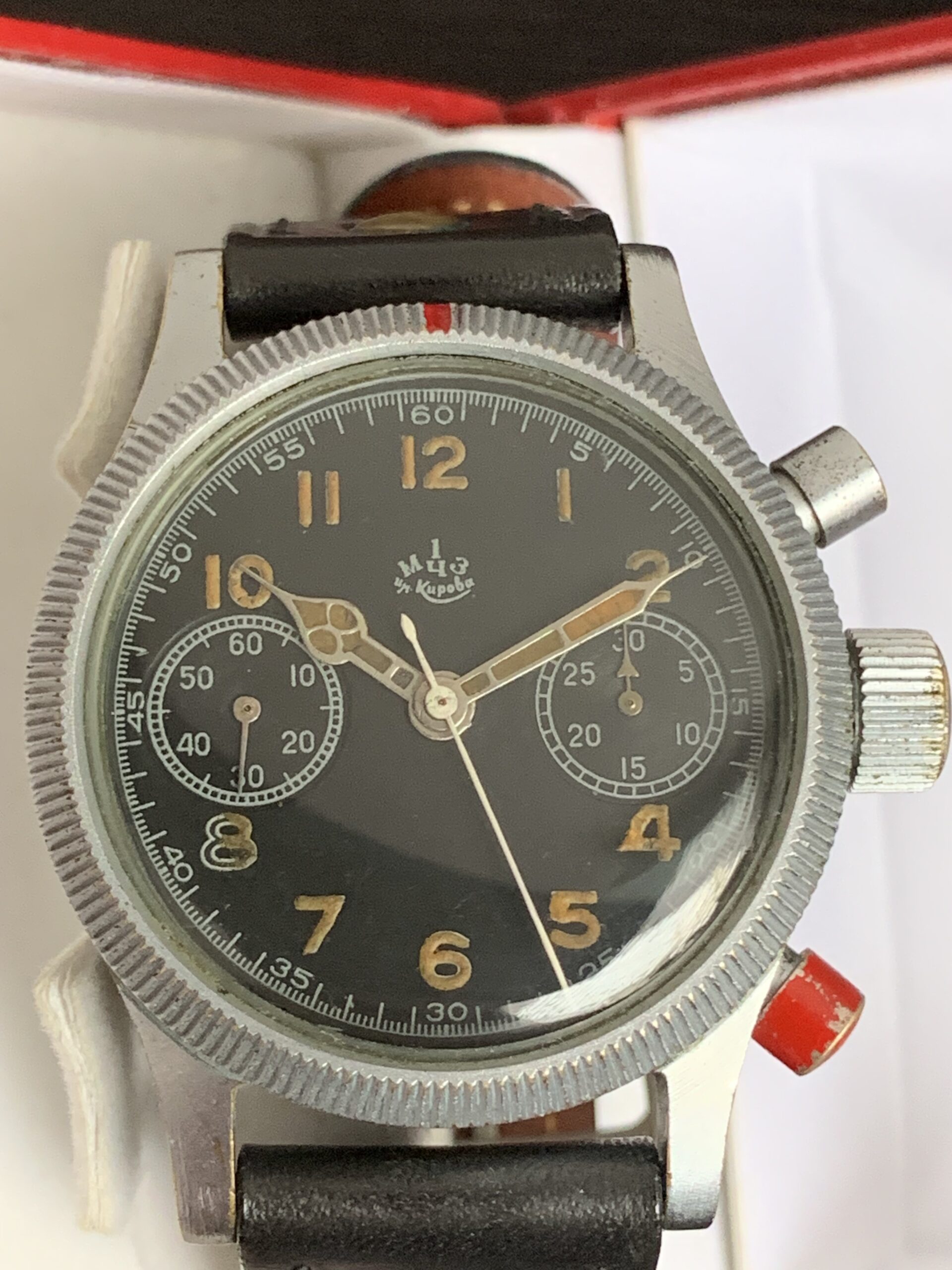
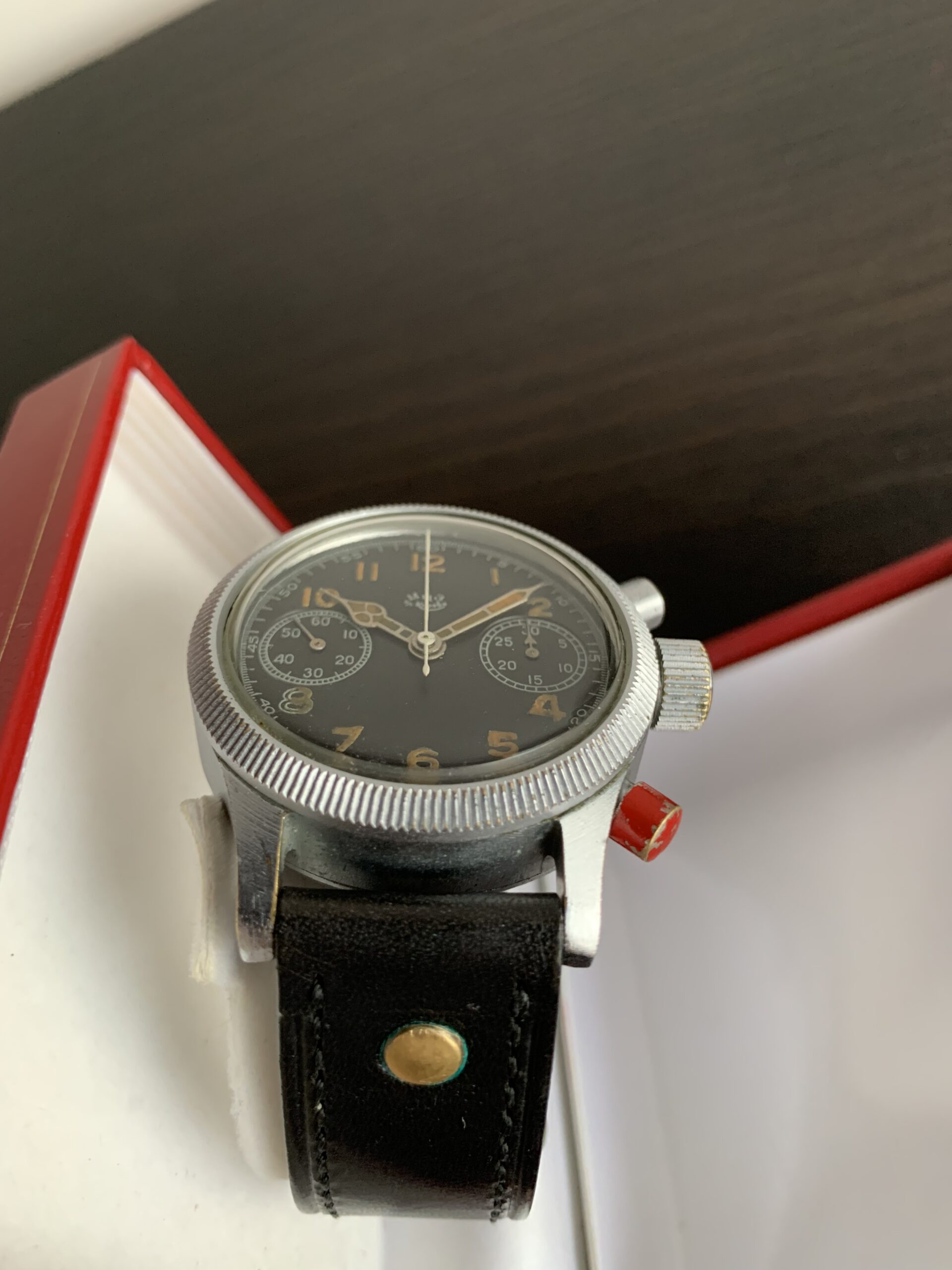
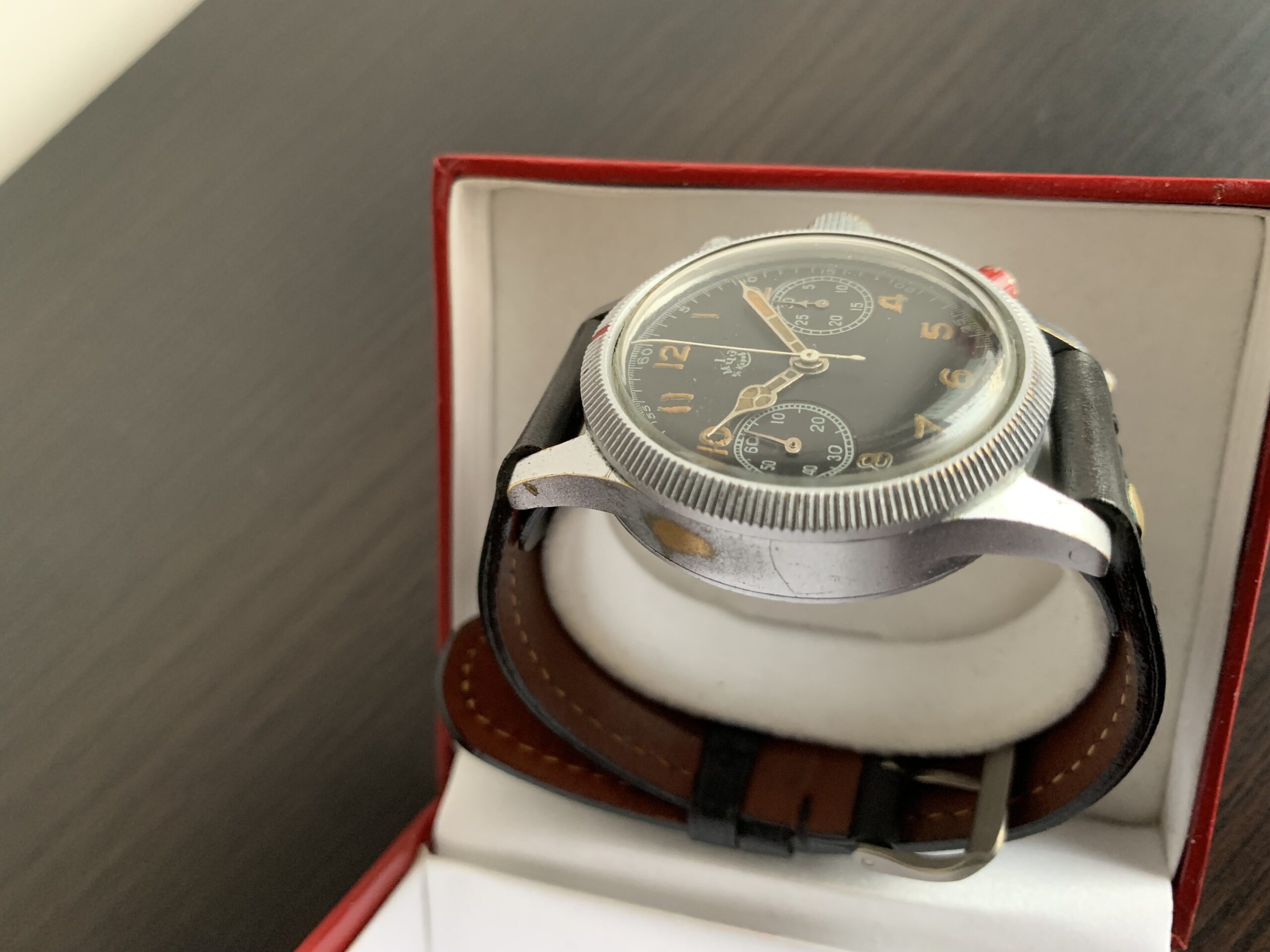
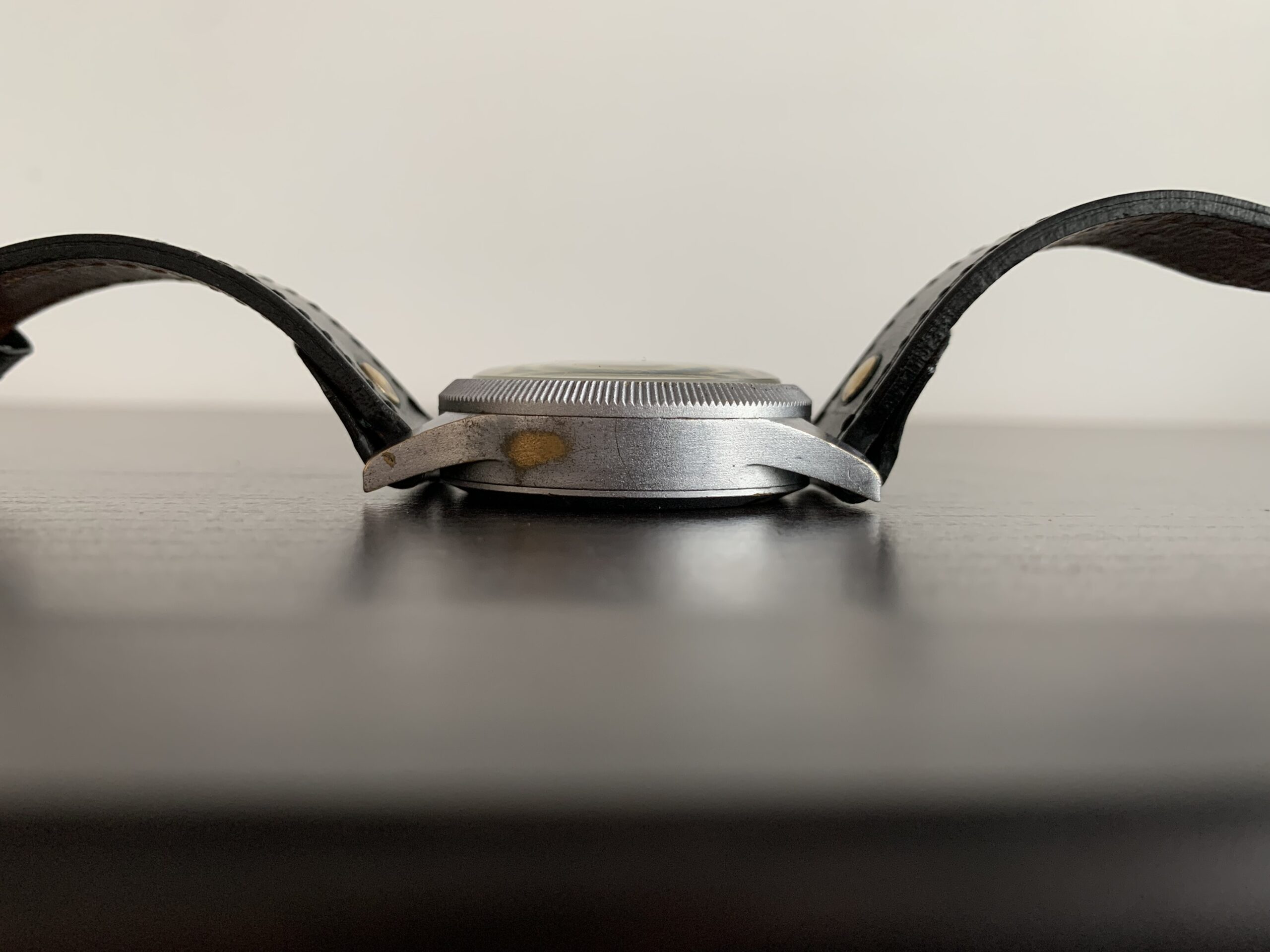
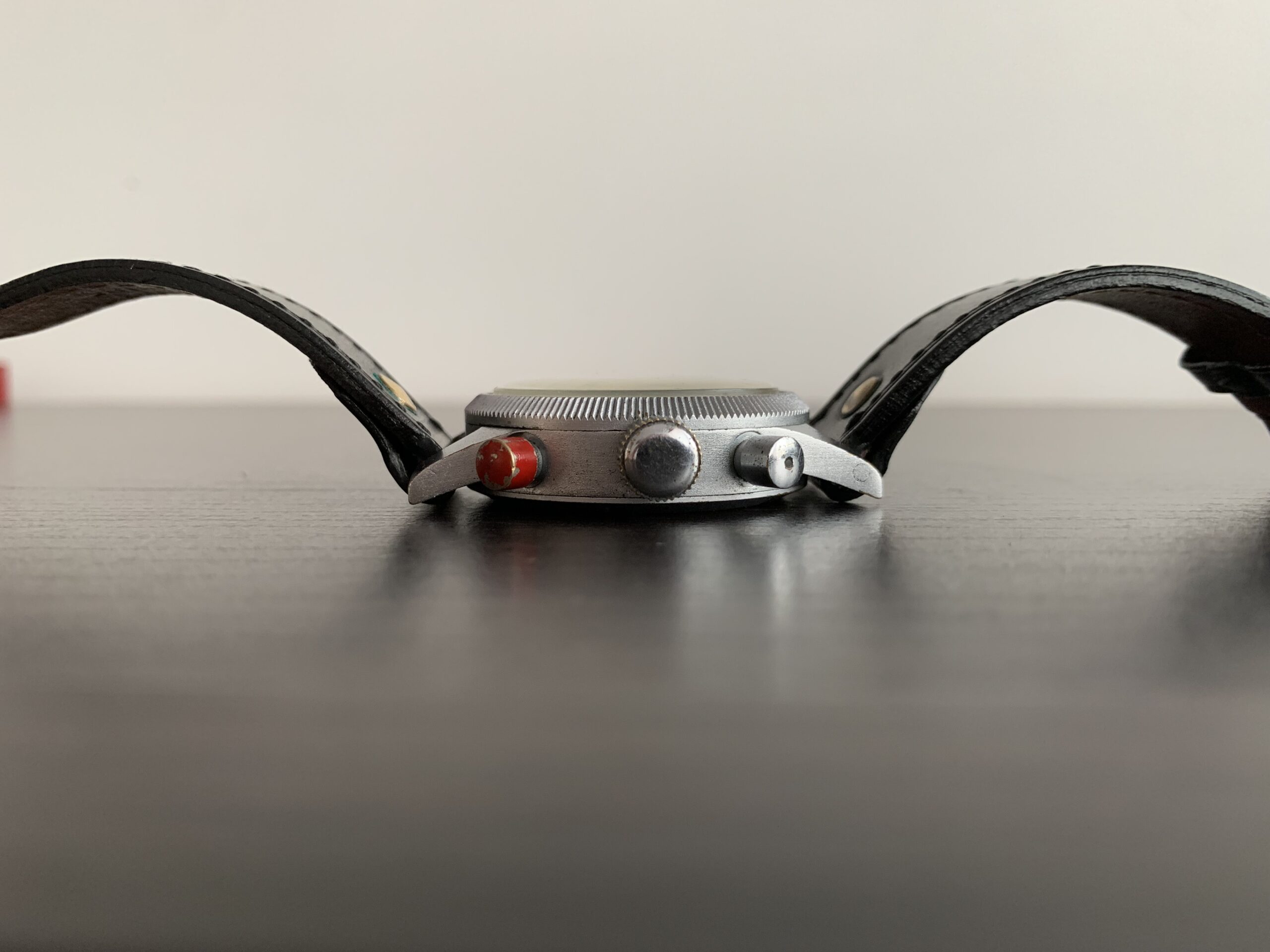
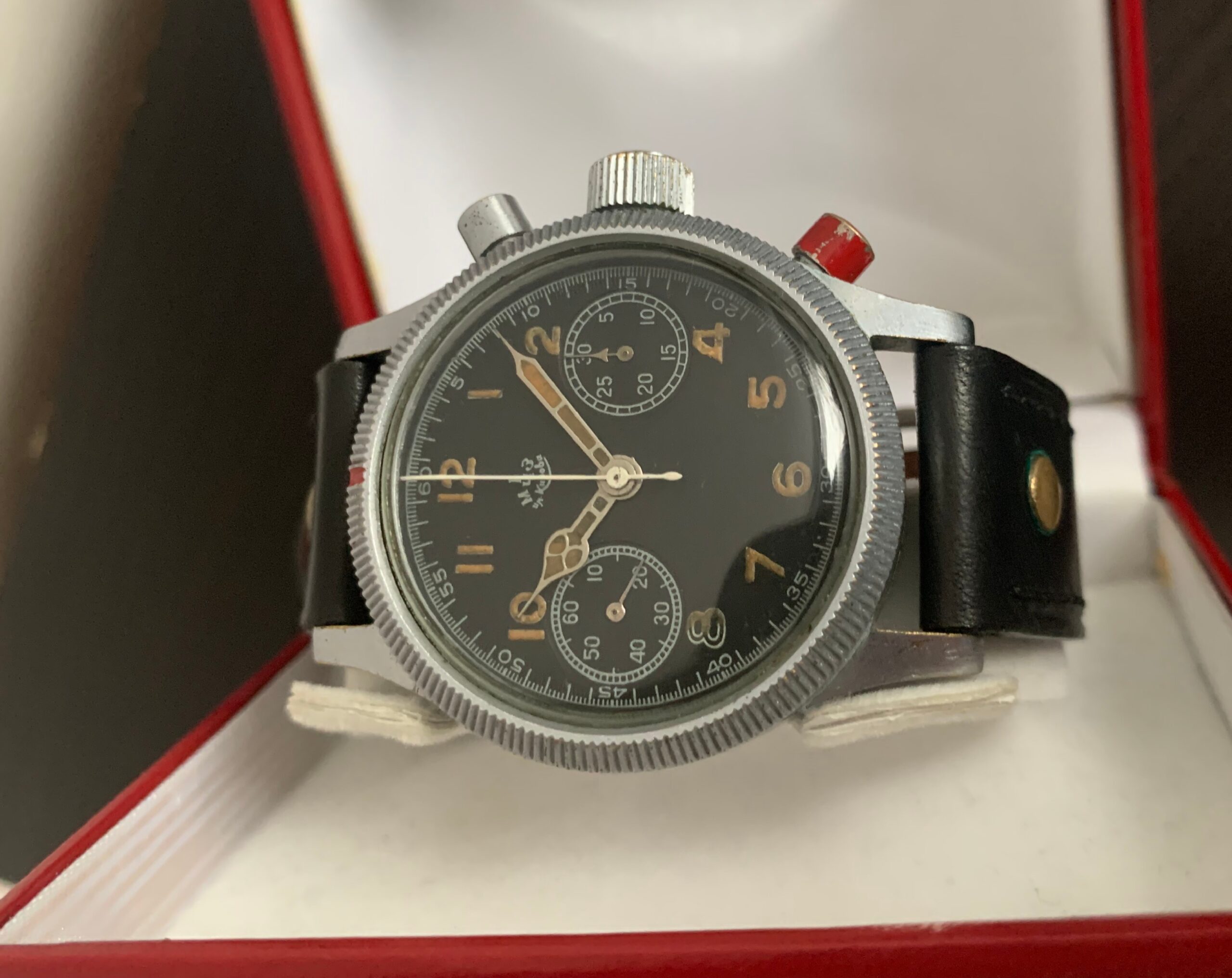
Beginning in 1947, the First Moscow Watch Factory produced Tutima Kirova chronographs using original German components taken from Glashütte. This period marked a unique chapter in horological history, where a German military chronograph was revived under Soviet management and branding. By 1949, the First Moscow Watch Factory succeeded in restarting the captured German machinery. This achievement enabled the production of a limited number of fully Soviet-manufactured Urofa 59 chronographs. Although technically impressive, these watches were produced in relatively small quantities due to the complexity of the movement. It is generally believed that production of the Tutima Kirova chronographs ceased by 1951. The brief post-war revival left a lasting legacy, linking German precision engineering with Soviet post-war industrial ambition.
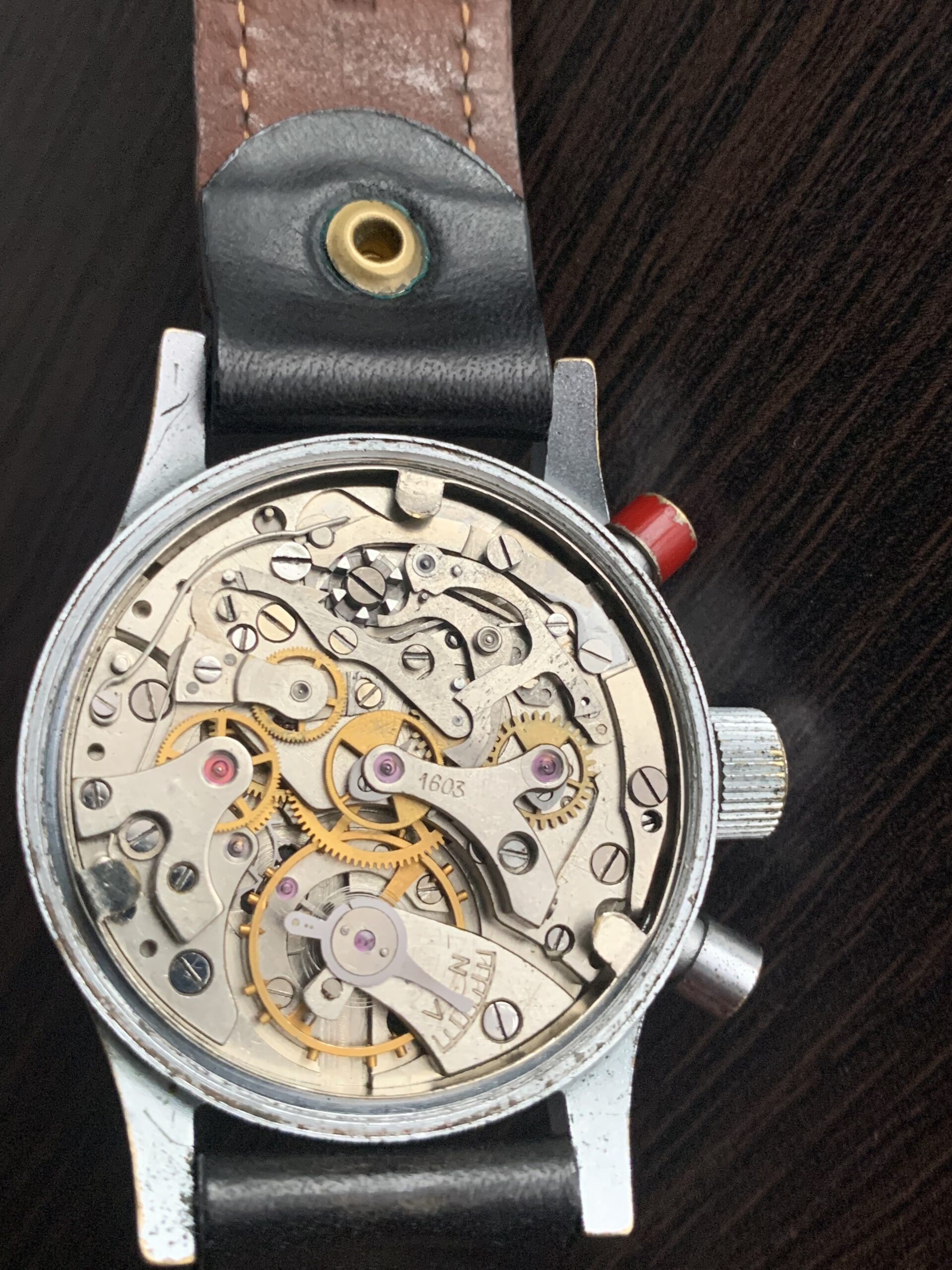
UROFA 59 - The Heart
The Urofa 59 was a German-made chronograph movement produced in the 1930s by Uhren-Rohwerke-Fabrik Glashütte (UROFA). Although compact, it was highly innovative for its time and therefore powered the Tutima Fliegerchronograph, a pilot’s watch designed for rugged military use. Moreover, the movement featured a flyback function—an advanced capability that allowed pilots to reset and restart the chronograph instantly with a single push, which was crucial for navigation tasks. Despite its small size and challenging production methods, the Urofa 59 nonetheless became an important milestone in German watchmaking and remains highly regarded by collectors for its engineering and historical significance.
What Makes the Tutima Kirova Special
Historical Importance: The Tutima Kirova chronograph stands as a unique example of shared horological heritage — German born design carried forward through Soviet production.
Technical Strength: Powered by the UROFA 59, one of the most advanced movements of its era, the watch featured a flyback (Tempostopp) function that allowed pilots to reset and restart the chronograph instantly.
Rarity and Collectibility: Genuine Kirova pieces with 1МЧЗ markings are scarce. Their blend of German components and Soviet-era assembly makes them especially appealing to collectors of both traditions.
Why It Still Captivates Collectors
The Tutima Kirova is more than a vintage pilot chronograph. It is a layered artifact of watchmaking history. It showcases the brilliance of German Glashütte craftsmanship, long known for precision and innovation. The watch also reflects WWII’s upheaval. Its production and relocation mirror the political and industrial shifts of that era. Its continuation in Soviet-era Russia shows how technical knowledge can survive across borders, even during conflict. For collectors, the Tutima Kirova is a rare bridge. It connects German horological tradition with Soviet industrial influence. For historians, the watch is a vivid symbol. It shows how technology, war, and ideology combine to create objects that outlast their times.